

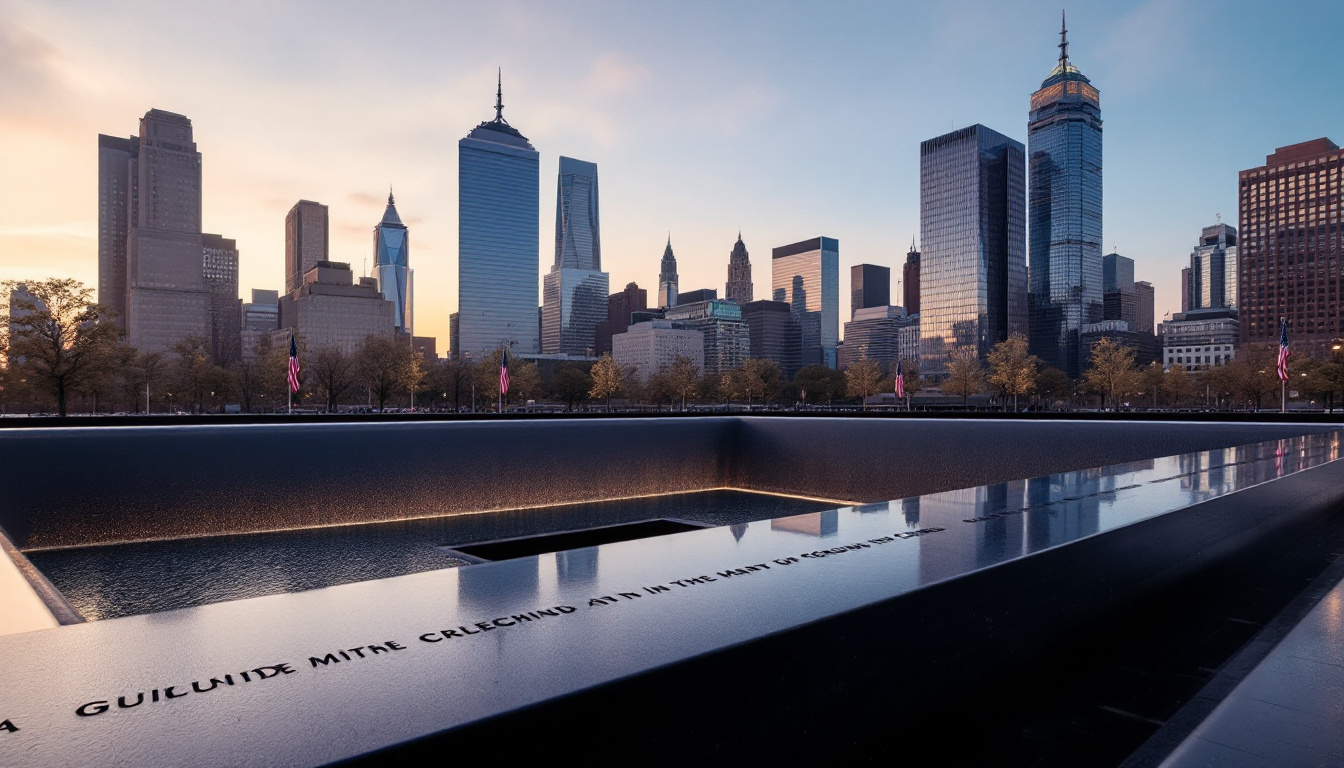
A new cancer certification comes through the World Trade Center Health Program every 50 minutes. Not every 50 hours. Not every 50 days. Every 50 minutes, another American who breathed the air in Lower Manhattan after September 11, 2001, gets the diagnosis.
And the people getting diagnosed now aren't the ones who ran into the towers.
According to New York Post reporting ahead of the 25th anniversary of the attacks, certified cancer cases among those exposed to the toxic dust at Ground Zero have hit 57,044 in 2026 — up from 3,204 in 2015. That is a 1,680 percent increase in a single decade. The number is so large it sounds like a typo. It is not a typo.
What makes the data even more striking is who's getting sick. For the first time, cancer cases among survivors — downtown residents, office workers, students, commuters — have surpassed those among first responders. Survivors now account for 28,913 cases compared to 28,131 among responders. The people who lived and worked near the World Trade Center, who were told the air was safe to breathe, are now the largest group of cancer patients in the program.
Michael Barasch, a lawyer who represents thousands of clients enrolled in the World Trade Center Health Program, put it plainly: "Sadly, we lose roughly two clients a day and see a new cancer certification every 50 minutes." Two clients a day. That's the daily body count from an attack that happened a quarter-century ago.
"9/11 did not end on 9/11," Barasch said. "The cancer clock is ticking 24/7."
When the Twin Towers fell, thousands of tons of steel, concrete, glass, asbestos, and jet fuel were pulverized into a massive toxic cloud containing over 70 known carcinogens. That cloud settled over downtown Manhattan — into offices, apartments, schools, subway stations. It coated Stuyvesant High School. It drifted into Borough of Manhattan Community College and PACE University. It hung in the air for months.
Leslie Lane was 76 when she spoke about it. She worked at Merrill Lynch in the World Financial Center Building. "You could taste the dust," she said. "You could taste the fuel, greasy gas." Lane was later diagnosed with thymus cancer — a condition so rare that only 82 cases exist in the entire WTC Health Program. "Thymus cancer is a very rare form of cancer. I don't drink. I don't smoke," she said.
She was one of the lucky ones. "I was lucky. The cancer was caught early."
James Ryan, an electrician who worked at the PATH train station and the excavation site at Ground Zero, was also diagnosed with cancer. He also called himself lucky. "I got very lucky," he said. The word "lucky" doing a lot of heavy lifting in a sentence about cancer.
The numbers behind the rare cancers are quietly horrifying. The program has identified 591 neuroendocrine cancer cases — with a 6 percent increase in just one quarter, from March to June. There are 188 male breast cancer victims. There are 163 brain cancer cases, up 9 percent with 14 new cases in a single quarter. These aren't common cancers. These are the kind of cancers that make oncologists pause.
Of the 145,275 members currently enrolled in the World Trade Center Health Program, 67 percent have been certified as having cancer. The national cancer rate for Americans is roughly 40 percent. The gap between those two numbers is the toxic signature of Ground Zero.
And here's the figure that should keep people up at night: only 15 percent of exposed civilians have actually enrolled in the program. The other 85 percent are out there — breathing, working, living — without monitoring, without screenings, without the early detection that Michael Barasch says is "the difference between life and death."
The death toll from post-9/11-related illnesses has now reached 9,425. That is more than three times the 2,977 lives lost on September 11 itself. The attack killed 2,977 people in a single morning. The aftermath has killed three times that number over 25 years, and the clock is still running.
The government told downtown Manhattan the air was safe. The EPA said it. Officials repeated it. Leslie Lane remembers. "For months afterward, you could taste the fuel in the air in the back of your throat and mouth," she said. Asked whether she believed the air had actually been safe, she answered: "I don't think it was."
Twenty-five years later, a new cancer case is certified every 50 minutes. The towers fell in 2001. They haven't stopped falling.

Comments are closed.