

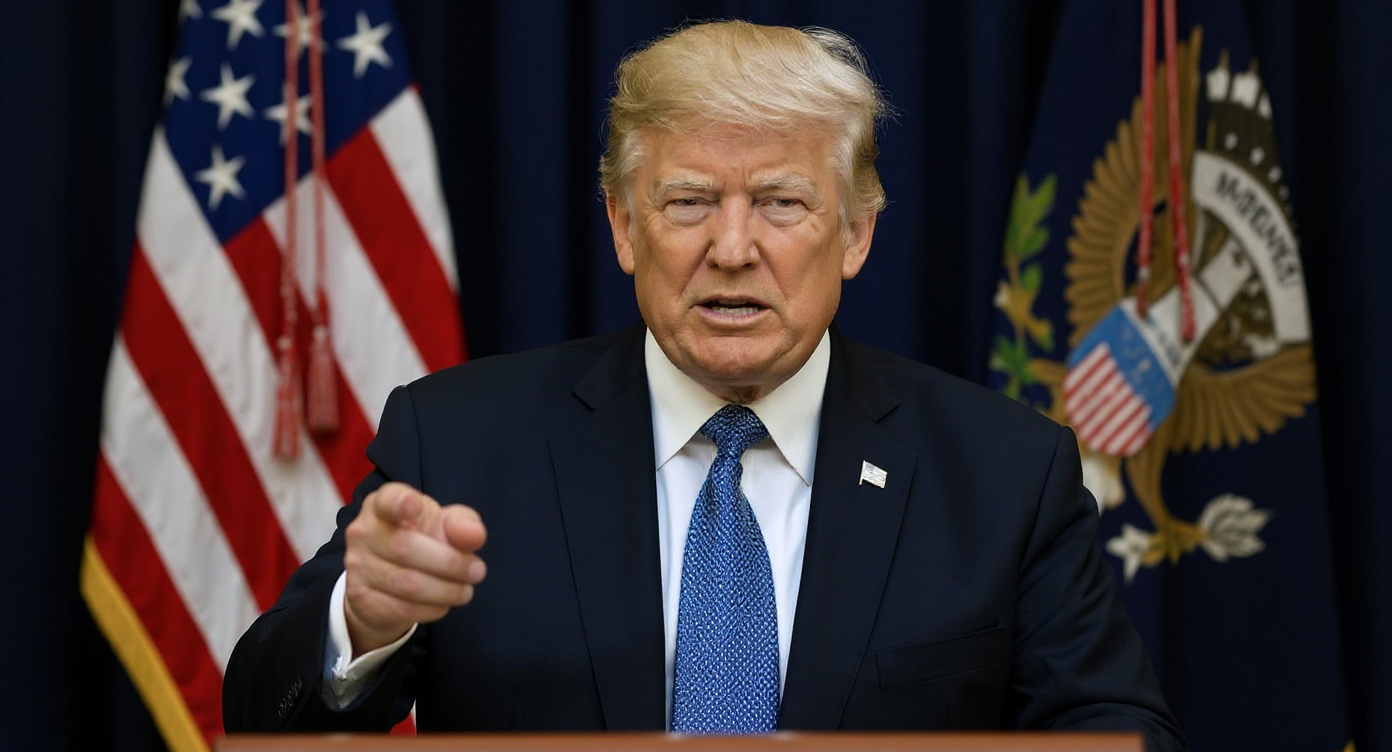
President Trump went on Fox News this week and told Iran — on live television — that next week the United States will start destroying their power plants and bridges unless they sit down and negotiate. Not through back channels. Not through a carefully worded State Department memo. On camera with all the subtlety of a wrecking ball.
"Next week it gets really bad for them because next week comes the power plants," Trump said. "Next week comes the bridges."
The strikes began on July 12, when U.S. Central Command launched a large-scale military operation against Iranian military, missile, and naval installations across southern Iran. The campaign came after the Islamic Revolutionary Guard Corps attacked commercial vessels in the Strait of Hormuz and announced it was closing the strategic waterway. CENTCOM has been conducting consecutive strikes ever since — launching attacks for the second time in 12 hours on the same day Trump made his Fox News appearance.
The results, according to Trump, have been devastating. "I think they're completed now, honestly. If we left right now, it would take them 20 years to rebuild," he said. Traffic through the Strait of Hormuz has dropped by 90%. The U.S. reimposed a naval blockade on Iranian ports. And Trump says Iran's military has been "degraded to a very low level."
But he's not done. "We're gonna knock out all their power plants. We're going to knock out all their bridges unless they get to the table and negotiate," Trump told Fox News. He gave them one week.
The Iranian regime, for its part, has sent signals about wanting to talk. Trump acknowledged as much. "They want to make a deal," he said. "But every time they make a deal, they break it." Reports suggest Iranian-American talks occurred as recently as Tuesday. Whether those talks produce anything remains an open question, but the deadline isn't.
Now, the usual crowd will clutch their pearls about threatening civilian infrastructure. They'll say it's an escalation. They'll invoke international norms. What they won't mention is that Iran's IRGC attacked commercial shipping and tried to shut down one of the most critical trade routes on the planet. When someone blocks the Strait of Hormuz — a waterway that carries a significant share of global oil — the conversation about proportionality changes.
This is where the contrast with previous administrations becomes almost painful. Remember the Obama red line in Syria? Chemical weapons were used, the line was crossed, and absolutely nothing happened. The whole world watched an American president draw a boundary and then pretend it didn't exist. Every adversary from Moscow to Pyongyang took notes.
Trump's approach is the opposite of strategic ambiguity. He told the IRGC what's coming, when it's coming, and what they can do to stop it. "You better make a deal," he warned. "You're not going to have anybody left."
The nuclear site outside Tehran that was previously targeted is still standing. Trump noted the U.S. "can hit that one very easily" and promised "major damage." He added he's "saving energy targets for last" — meaning Iran's oil infrastructure is the final card, not the first one.
Four days of strikes. A naval blockade. Ninety percent reduction in Hormuz traffic. Twenty years to rebuild what's already gone. And a one-week clock ticking toward power plants and bridges.
That's not a red line. That's a shopping list.

Comments are closed.