

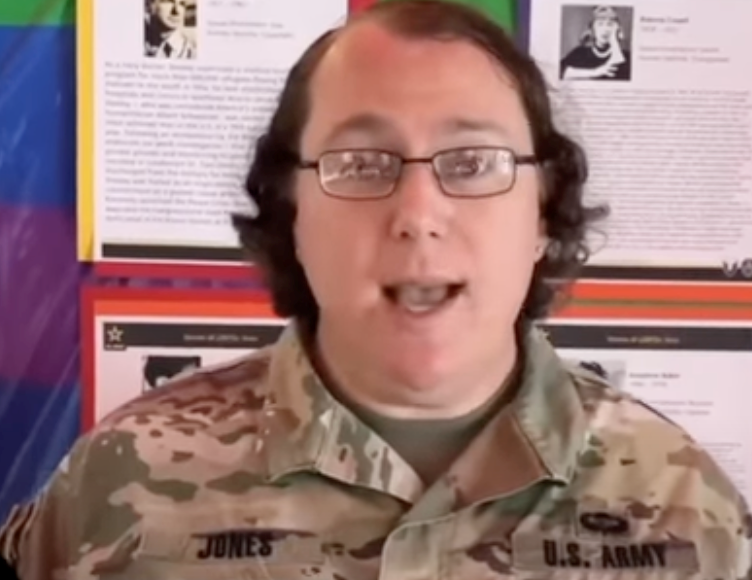
The Trump administration filed a 300-page emergency petition with the Supreme Court on August 29, asking the justices to let it enforce the ban on transgender individuals serving in the military. A lower court blocked the policy back in June. The White House's response wasn't to wait around for the appeals process to play out at its usual glacial pace.
They went straight to the top.
The case is Talbott v. United States, filed in January 2025 in the U.S. District Court for the District of Columbia. The district court sided with the challengers in June 2026, blocking enforcement. A trial isn't even scheduled until January 2027. The administration looked at that timeline and decided it wasn't going to spend another year and a half operating under a policy it considers a direct threat to military readiness.
White House Spokeswoman Olivia Wales made the administration's position clear: "Joe Biden allowed trans insanity to run rampant in our military. President Trump restored lethality and readiness to our warfighters."
War Secretary Pete Hegseth has been the driving force behind the policy, framing it as a straightforward readiness question rather than a cultural one. The Department of War's position is that military service standards should be based on combat effectiveness, full stop.
Wales added: "The United States military is the greatest in the world, and President Trump is keeping it that way by focusing on elite readiness standards — not DEI or woke gender ideology."
The legal groups fighting the ban — the National Center for LGBTQ Rights and GLAD Law — are framing the petition as an overreach. Shannon Minter, a lawyer with the National Center for LGBTQ Rights, claimed the administration "wants the Supreme Court to rush in and bless the expulsion of proven, decorated soldiers before a single court has issued a final judgment."
Which is an interesting way to describe asking the nation's highest court to weigh in on a matter of national defense policy. The administration isn't bypassing the courts. It's asking the ultimate court to do its job. That's how the system works — unless you'd prefer the District of Columbia gets the final say on who serves in the armed forces.
The broader pattern here matters. Lower courts have become a favorite tool for blocking executive action on politically charged issues. File in a friendly jurisdiction, get a sympathetic judge, obtain a nationwide injunction, and force the administration to spend years litigating before it can implement the policy voters elected it to pursue. The SCOTUS petition is a direct challenge to that playbook.
The trial in Talbott isn't until January 2027. The administration filed its petition in August 2026. That's a five-month gap where the policy sits frozen, military readiness standards remain in limbo, and a district court ruling controls defense policy for 1.3 million active-duty service members.
The left's legal strategy depends on delay — run out the clock, keep the injunction in place, hope the political winds shift. The 300-page petition landing on the Supreme Court's desk is the administration's way of saying the clock just got reset.

Comments are closed.