

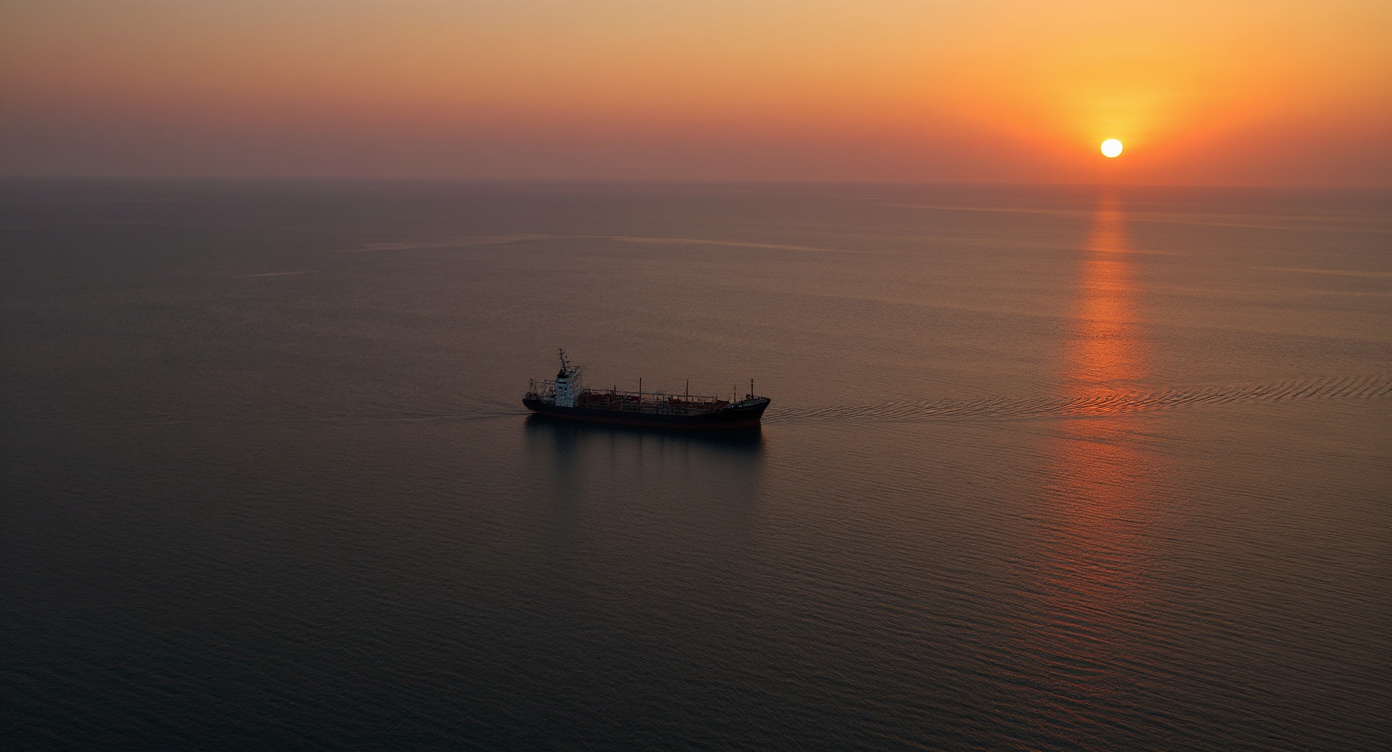
At 5 p.m. ET on Sunday, July 12, U.S. Central Command forces began launching strikes against Iranian military targets. The mission objective, in plain English: stop Iran from attacking commercial ships in the Strait of Hormuz.
No weeks of diplomatic consultations. No UN resolution. No strongly worded letter. Missiles.
CENTCOM's official statement was direct: "U.S. Central Command forces began launching more strikes against Iran to continue degrading their ability to attack civilian mariners and commercial ships freely transiting the Strait of Hormuz. The Commander in Chief has directed the strikes to hold Iranian forces accountable." Townhall's Scott McClallen reported the strikes came after Iran attacked a commercial vessel on Saturday and attempted to claim it had closed the Strait — one of the most critical shipping lanes on the planet.
President Trump had already made the consequences clear. He stated that "1000 Missiles" are aimed at Iran and gave orders to "completely decimate and destroy all areas of Iran" in the event of further provocations, including assassination attempts — a reference to intelligence reports of an Iranian plot against him while he was in Turkey.
Iran's response was predictable. State propaganda channels immediately claimed three American service members had been killed in Kuwait. CENTCOM shut that down within hours: "There are zero reports of U.S. service member deaths or injuries in the region. All personnel are accounted for." Zero casualties. Zero ambiguity. The Iranians couldn't land a blow, so they invented one for their domestic audience.
This is the part worth remembering. For four years under the previous administration, the Houthis — Iran's proxies in Yemen — fired on commercial shipping with near impunity. American warships were in the area. American intelligence tracked the launches. And American policy was to absorb it, respond with the occasional defensive intercept, and pretend the problem was being managed. Shipping companies rerouted around the Cape of Good Hope, adding weeks and billions in costs. Insurance premiums spiked. Global supply chains bent.
The administration's position now is that the Strait of Hormuz stays open because the United States says it stays open, and the enforcement mechanism is not a diplomatic communiqué but a strike package.
Iran's government has spent decades perfecting the art of poking at American interests just below the threshold that triggers a response — harassing naval vessels, arming proxies, seizing tankers, plotting assassinations. The calculation has always been that Washington will absorb the provocation rather than escalate. That calculation assumed a particular kind of president.
The Strait of Hormuz handles roughly twenty percent of the world's oil supply. When it's threatened, gas prices move, markets wobble, and every country with a navy starts making phone calls. Iran bet it could close that waterway and dictate terms.
The terms arrived at 5 p.m. ET. They were not negotiable.

Comments are closed.