

Last year, Tijuana's migrant processing centers were taking in 100 to 200 people a day. Now they're getting 10 to 20. That's not a typo. That's an 80% collapse in a city that had become the Western Hemisphere's largest staging ground for illegal border crossings.
No new law did that. No wall extension. No congressional vote. Fear did it.
José María García Lara, coordinator for the Tijuana Migrant Alliance, told reporters the quiet part out loud. "For migrants from Mexico and other countries who want to cross into the United States, the situation becomes more difficult every day, and the risks become much greater," he said. "At a certain point, that has caused people to stop coming to the border."
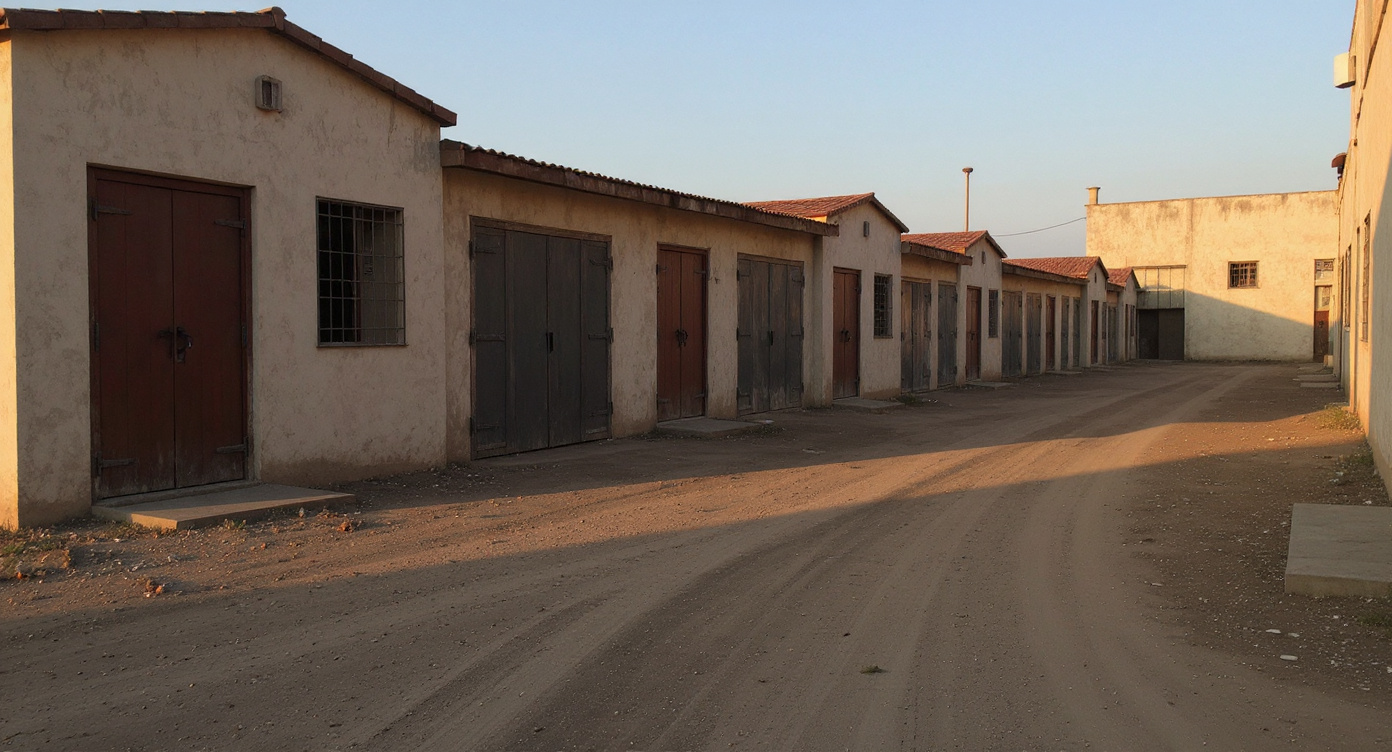
Diana Ortiz Villacorta Ramírez, the municipal director for Migrant Services in Tijuana, confirmed the numbers. "Last year, we were receiving 100 or 200 people a day. Right now, we receive 10, 15 or 20 people." Independent journalist Julio Rosas documented the shift with video footage of streets and shelters in Baja California that had been packed for years — now largely abandoned.
The Trump administration has removed 2.3 million illegal immigrants since taking office. But the number that matters more might be the 600,000 decrease in the legal immigrant population between January 2025 and July 2026, as tracked by Steven A. Camarota, research director at the Center for Immigration Studies. When enforcement gets serious enough, even people with legal status start reconsidering. That's not cruelty. That's a functioning immigration system.
DHS Secretary Markwayne Mullin hasn't exactly been subtle about the administration's posture. "These individuals that we're going after — I don't care if you have a criminal background or don't have a criminal background, you chose to break the law when you came across our border illegally," he said. "It's our position to hunt you down and send you back to where you came from."
The logistical side is just as deliberate. Deportation flights now route through Villahermosa, Tabasco — a 45-hour drive from the border — and Tapachula, Chiapas, 48 hours away. That's not an accident. If you're going to send someone home, you make sure the return trip isn't a quick cab ride back to the crossing point.
Yesenia Ardón, a long-time border resident originally from El Salvador, told RedState that birthright citizenship changes have added another layer of deterrence. "Many people have chosen to stay because they have heard those comments," she said — meaning stay in Mexico or Central America, not risk the trip north.
The open-borders crowd will call this inhumane. They'll point to individual hardship stories — people like Alejandro Martinez, who entered the U.S. illegally in 1961 and was deported 14 years ago, still lingering near the border. But the argument that we should tolerate mass illegal migration because enforcement makes people uncomfortable is the same argument that created the crisis in the first place. A policy that convinces people not to break the law isn't a human rights violation. It's the definition of deterrence.
For four years we were told the border couldn't be controlled, that migration flows were too powerful, that root causes needed decades of foreign aid to address. Turns out the root cause was a government that refused to enforce its own laws.
Tijuana used to be the last stop before America's open door. Now it's a ghost town with a 48-hour bus ride south. The wall didn't get ten feet taller. It just moved inside people's heads.

Comments are closed.