

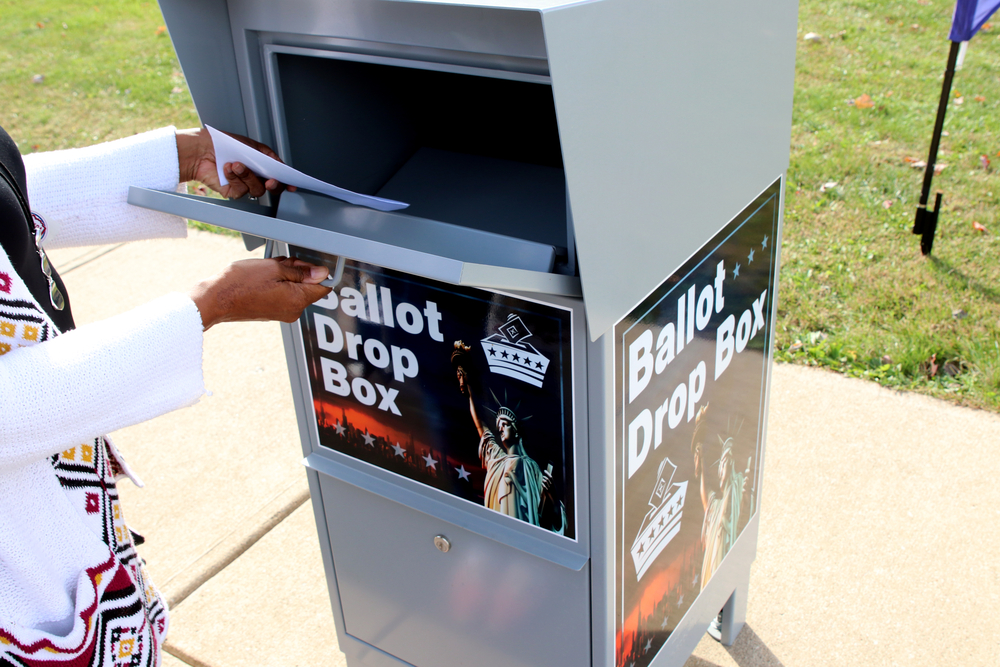
The U.S. Postal Service just issued a proposed rule with a simple message to state election officials: tell us who you're mailing ballots to, or we won't deliver them.
The rule, published in the Federal Register on June 2, requires states to submit names, addresses, and unique barcode identifiers for every voter receiving a mail-in or absentee ballot to a new USPS Federal Ballot Mail Portal — at least 30 days before any federal election. In exchange, USPS provides each state's chief election official a verified participation list around election day. Both the outbound ballot envelope and the return envelope would carry uniquely serialized Intelligent Mail barcodes under new federal standards.
If states don't comply, USPS will reject their ballot mailings and return them undelivered.
Postmaster General David Steiner confirmed the stakes when asked directly whether USPS would refuse to deliver non-compliant states' ballots. "Under our proposed regulation, no," he said — meaning it would not deliver them. The goal, Steiner explained, is ensuring the number of ballots "a state believes they're sending out" matches "what actually gets sent out."
That's a standard that should alarm precisely no one who has confidence in their state's mail ballot process. Which may explain why it's alarming so many people.
The rule flows from Executive Order 14399, signed by President Trump in March 2026: "Ensuring Citizenship Verification and Integrity in Federal Elections." The postal rule closes a specific gap in the current system: there is no federal mechanism to verify that ballots sent out match ballots expected to go out. Under existing rules, states can mail ballots to outdated voter rolls, inactive registrations, or addresses that haven't been updated in years — and no one at the federal level would know.
Democrats immediately challenged the rule. Senator Gary Peters of Michigan called it "an incredibly dangerous precedent" and framed it as the administration attempting to "nationalize elections." Other Democratic lawmakers called it "blatantly illegal." Senate Democrats sent letters demanding USPS abandon the proposal entirely.
The White House response was brief: "President Trump is committed to ensuring that Americans have full confidence in the administration of elections."
Here's what the opposition doesn't explain: the rule doesn't prevent a single eligible voter from receiving or returning a mail ballot. What it prevents is ballots being mailed to people who aren't on a state's official list and then delivered anyway because nobody cross-referenced anything. States that maintain clean voter rolls, submit accurate lists, and use compliant envelope standards face zero disruption. The states objecting loudest are the ones apparently unable or unwilling to do those things.
The SAVE America Act — currently tied up in congressional debate — would require proof of citizenship to register to vote in federal elections. This postal rule doesn't go nearly that far. It simply asks states to confirm who they're mailing ballots to before the mail goes out. That's not voter suppression. That's inventory management.
The proposed rule is currently in a 30-day public comment period before being finalized. Lawsuits are already being telegraphed. The same pattern that has followed every Trump-era election integrity measure — proposal, opposition, litigation, delay — will almost certainly repeat itself here.
But the underlying question doesn't go away: if a state knows exactly who it's mailing ballots to, why would it object to telling the Postal Service? The only reason to resist a verification requirement is if you're not confident your list would hold up to scrutiny.
The USPS has proposed a rule that says show us the list or we don't deliver the mail. That's not a partisan position. That's how accountability works.

Comments are closed.