

The going rate is $25.
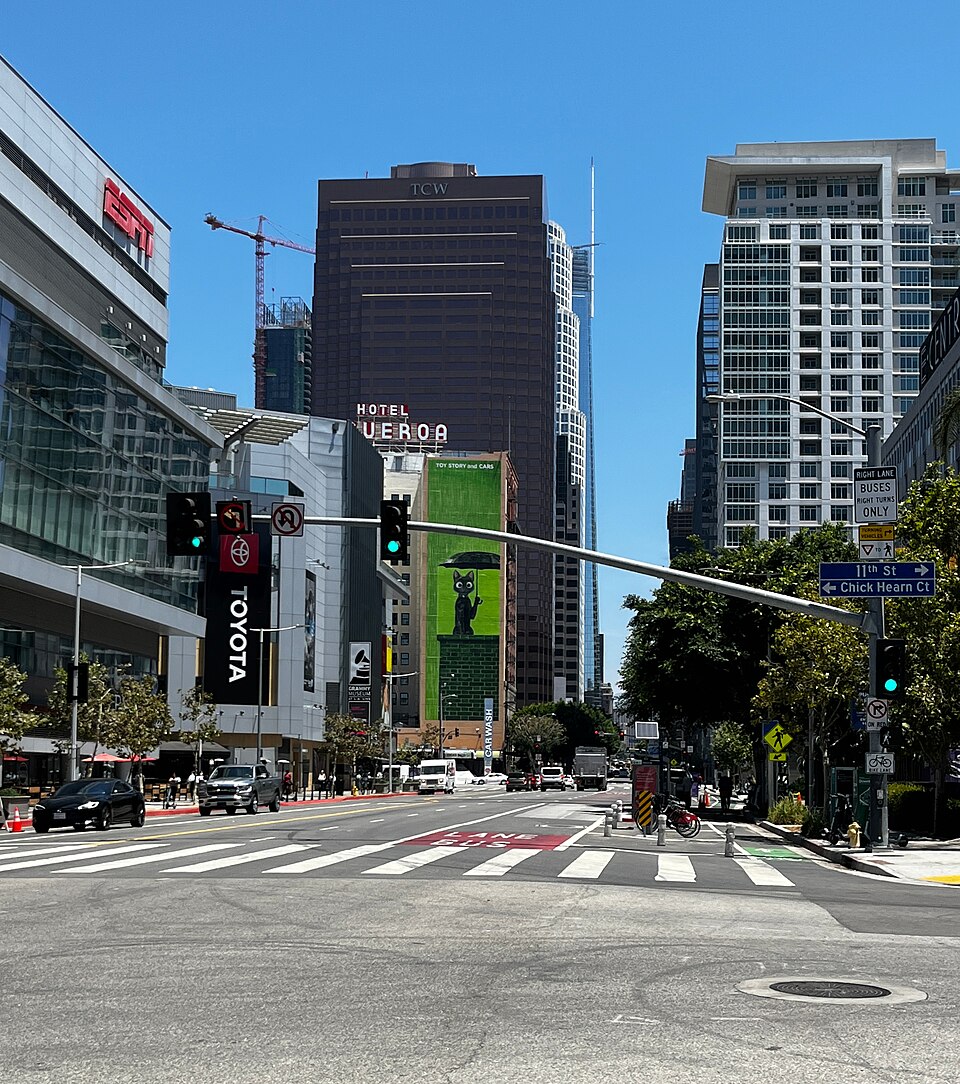
That's what a sex act costs on South Figueroa Street in Los Angeles, according to a former LAPD vice sergeant quoted in a new investigative report from Christopher Rufo and Kenneth Schrupp at City Journal. Four miles of open-air sex market, running in daylight, within sight of schools. A security guard at one of those schools watched police cruisers roll past the women on the corner and shrugged: "It's normal."
It is not normal. It is the direct, documented result of a law Gavin Newsom signed four years ago.
In July 2022, Newsom signed Senate Bill 357, authored by State Senator Scott Wiener. The bill repealed California's ban on loitering with intent to commit prostitution — the tool street cops used to break up open-air markets before they hardened into institutions. Newsom's office framed it as civil rights legislation. The law, he suggested, would reduce "harassment of women."
Rufo's report lays out what it produced instead.
Stephany Powell spent years working vice for the LAPD and later ran Journey Out, a nonprofit that helps women escape the street. She told City Journal what happened the moment the law took effect: "After S.B. 357 passed, we counted about 60 girls just from this track alone." Before the law, her outreach teams handed out roughly 30 makeup kits a night on the same stretch. The market doubled — because the one charge that let officers intervene before a transaction was gone.
And the trade did not stay confined to adults.
"Statistically, the average age of entry for human sex trafficking is between the ages of 12 and 14 years old," Powell said. The report describes 14- and 15-year-olds working the corridor. It describes foster children — kids the State of California is legally responsible for protecting — trafficked by gang members. It describes traffickers branding their victims with tattoos, the way ranchers mark livestock. These are not anonymous allegations. In August 2025, federal prosecutors brought a RICO indictment against members of the Hoover Criminal Gang for sex trafficking on Figueroa — including trafficking of minors as young as 14. One victim, according to the case, was required to bring in $1,000 a night. On July 1 of this year, a federal follow-up operation took down ten more suspects, including a motel operator charged with profiting from the gang's trafficking operation.
Read that sequence again. The federal government has now run two enforcement operations against a child-trafficking enterprise operating on a street where California, by statute, stripped local police of their primary tool for clearing the corner. The numbers track the timeline. LAPD rescued 123 children from trafficking in 2024 — a nearly eightfold increase from 2022, the year SB 357 was signed.
Defenders of the law will tell you it never legalized prostitution, and that's technically true — selling and buying sex remain crimes in California. What SB 357 did was decriminalize the visible marketplace: standing on the corner, signaling, waiting. Rufo's reporting makes the case that this distinction is meaningless on the ground. You cannot prosecute a transaction you were never allowed to interrupt. Former LA County Sheriff Alex Villanueva put it bluntly: "SB 357 removed a key enforcement tool that kept communities free from red light blight. This ill-advised bill condemned the marginalized to be sex trafficked."
The bill's supporters justified it with an equity statistic — Black adults accounted for 56.1 percent of loitering charges in Los Angeles between 2017 and 2019. So the state's answer to uneven enforcement was no enforcement. The people now paying for that decision are overwhelmingly poor, overwhelmingly minority, and in the worst cases, children in the state's own foster system.
Newsom's office has not responded to the report.
He will run for president on the California model. Figueroa Street is the California model. Four miles of it, open for business every night, staffed in part by branded children — under a law that still sits on the books, with his signature on it.

Comments are closed.