

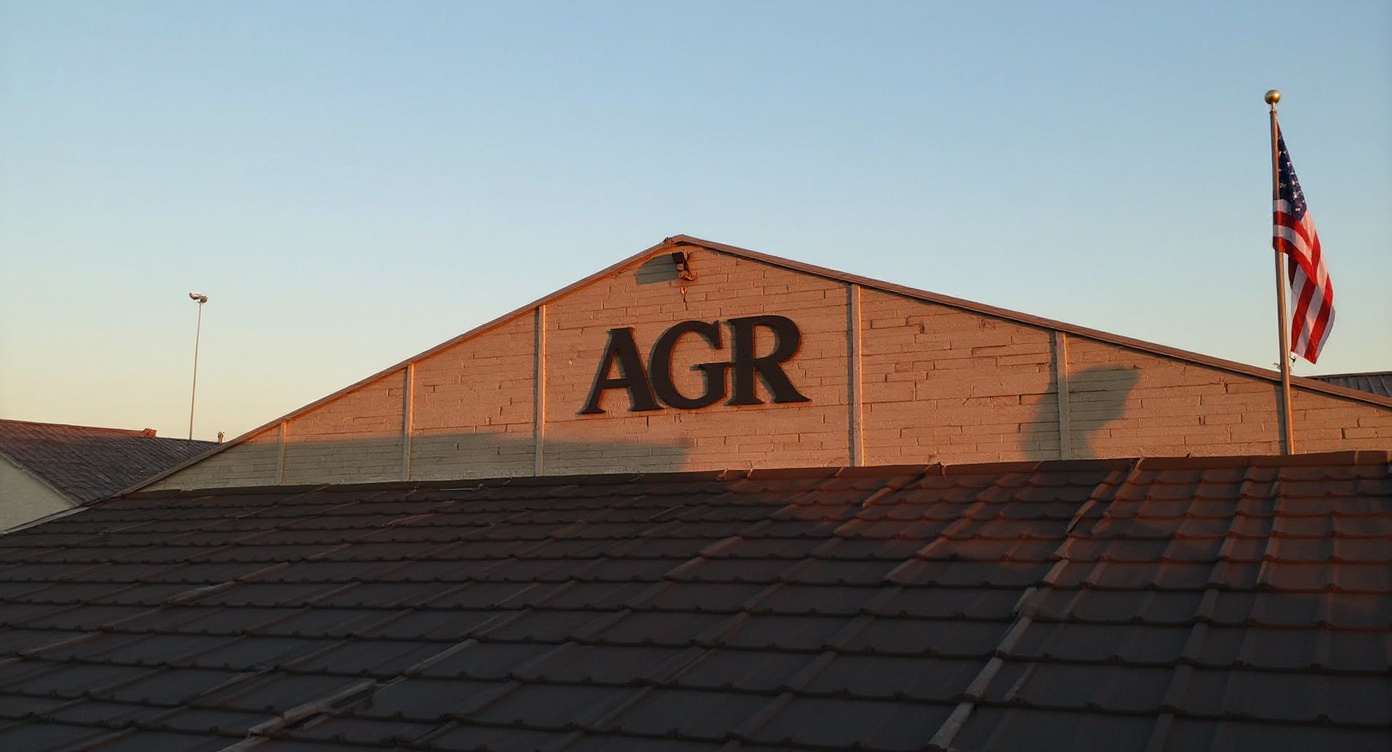
At 6:09 p.m. on July 13, 2024, local law enforcement in Butler, Pennsylvania called the Secret Service to warn them that a suspicious person had been spotted on a rooftop 155 yards from the stage where Donald Trump was speaking. Two minutes later, Thomas Crooks opened fire with eight shots, killing retired volunteer fire chief Corey Comperatore and seriously wounding two others.
During those two minutes, the Secret Service counter drone operator assigned to locate the threat was Googling the location trying to figure out where the assassin was.
A 64-page Department of Homeland Security inspector general report released this week reveals that the operator never asked the local cops — who were already on-site and knew the area — where the American Glass Research complex was. Instead, per the report, "the counter drone operator searched online for it, and was still searching when Crooks fired his first shots."
The report goes further. A Secret Service supervisor who received the initial warning about a suspicious person on the roof delegated the alert to the drone operator because it was a "busy time" on the radios. The operator then "did not ask for the AGR complex's location" and "did not immediately identify it as a risk." By the time anyone in the Secret Service chain processed the threat, Crooks had already pulled the trigger.
The DHS inspector general concluded that the Secret Service "missed multiple opportunities to detect, prevent, and disrupt" the attack. "The Secret Service's overall lack of policy and processes, coupled with limited intelligence sharing and poor collaboration and communication with protectee staff and state and local law enforcement, set the conditions that led to missing opportunities," the report states.
This wasn't a failure of intelligence. Local law enforcement had eyes on Crooks. They called it in. The information made it to the Secret Service with enough time to act. The breakdown happened inside the agency itself — a supervisor too busy to handle it personally, an operator who defaulted to a search engine instead of the law enforcement officers standing fifty feet away, and an agreed-upon alternative vehicle placement that was never actually implemented.
The report also names lead agent Miyo Perez, described as relatively inexperienced for an event of that magnitude, and notes that Secret Service Director Sean Curran signed off on the site security plan.
The agency's response will likely point to the reforms implemented since Butler. Fair enough. But the DHS inspector general's own language doesn't describe a system that had a bad day. It describes a system that had no reliable process for handling exactly the scenario it exists to handle — a known threat, in real time, with a protectee on stage.
Corey Comperatore threw himself over his family when the shooting started. He didn't need to Google where the danger was.
The agent whose job it was to know did.

Comments are closed.