

Tou Lue Vang was convicted in 2006 of first-degree criminal sexual conduct against a 10-year-old girl. The assaults continued over a two-year period. He attempted to pay the child for her silence.
On June 10, 2026, the Minnesota Board of Pardons voted unanimously to erase his criminal record.
Three people sit on that board: Governor Tim Walz, Attorney General Keith Ellison, and Chief Justice Natalie Hudson-- all of them Democrats. Every one of them reviewed a case involving the repeated sexual assault of a child and decided the man responsible deserved a clean slate. Not only that, they decided they wanted him to remain in the community.
Walz characterized Vang as a "critical member of the community" and a taxpayer. That was the phrase he chose. Not convicted child sex offender. Not a man who targeted and sexually assaulted a 10-year-old for two years and tried to buy her silence to cover it up. A critical member of the community.
The pardon wasn't symbolic. It was tactical. Vang is a Laotian immigrant whose conviction made him subject to automatic removal under federal immigration law. Sexual conduct against a minor is one of the categories that triggers deportation proceedings without exception. Erase the conviction at the state level and the federal trigger disappears. The clemency wasn't about second chances. It was about keeping Vang in the country.
That strategy held for roughly one month.
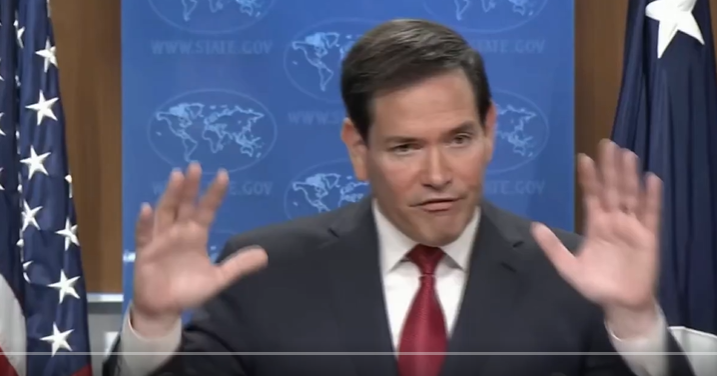
The Department of Homeland Security flagged the case on social media on July 1. By July 10, Secretary of State Marco Rubio had terminated Vang's legal status entirely. Vang was deported from the United States and permanently barred from re-entry.
"Just weeks ago, a foreign child rapist was freed to endanger America's children," Rubio said. "Americans should never live in fear that foreign sex predators could endanger them."
Lauren Bis, Acting Assistant Secretary of Homeland Security, confirmed the federal response. The position from Washington was direct: a state-level pardon may clear a man's record in Minnesota. It does not clear his file with the federal government.
Walz's office delivered the standard clemency script. Rehabilitation. Community ties. Taxpaying citizen. Time served. The kind of language designed to make a pardon sound like routine administrative business. It might even work — until you read the case file. First-degree criminal sexual conduct. A victim who was ten years old. Assaults spanning two years. A defendant who argued at trial that his crimes reflected cultural practices regarding young brides. And a man who attempted to pay a child to keep quiet about what he'd done to her.
Those are the facts Tim Walz reviewed before he settled on the word "critical."
Keith Ellison, Minnesota's attorney general, deserves his own line in this story. Ellison's office is responsible for prosecuting crime in the state. The top law enforcement official in Minnesota looked at a child rape conviction and voted to erase it. That detail tends to get buried beneath the Walz headline, but it shouldn't.
This wasn't even an isolated call. In May 2026, barely a month before the Vang pardon, the identical three-person board granted clemency to another Laotian illegal immigrant convicted of armed robbery. Same members. Same unanimous vote. Same outcome: conviction scrubbed, deportation blocked. Two pardons in two months, both shielding illegal immigrants from federal removal.
The pattern reveals the mechanism. A governor cannot rewrite federal immigration law. But he can eliminate the state conviction that activates federal removal proceedings. The pardon becomes a procedural weapon — obstruction routed through the clemency process and dressed in the language of compassion. No legislation required. No public vote. Just three signatures and a press release about community and rehabilitation.
If state pardons could neutralize federal immigration enforcement, every sanctuary-minded governor in the country would have a new playbook. Erase convictions one at a time. Shield deportable immigrants case by case. Rubio's decision to act on independent federal authority closed that loophole before it could spread.
Rubio didn't challenge the pardon itself. He didn't have to. He terminated Vang's legal status on separate federal grounds and had him physically removed from the country. Washington's message to St. Paul was four words long: pardon whoever you want.
The pardon still stands in Minnesota. The man doesn't.

Comments are closed.