

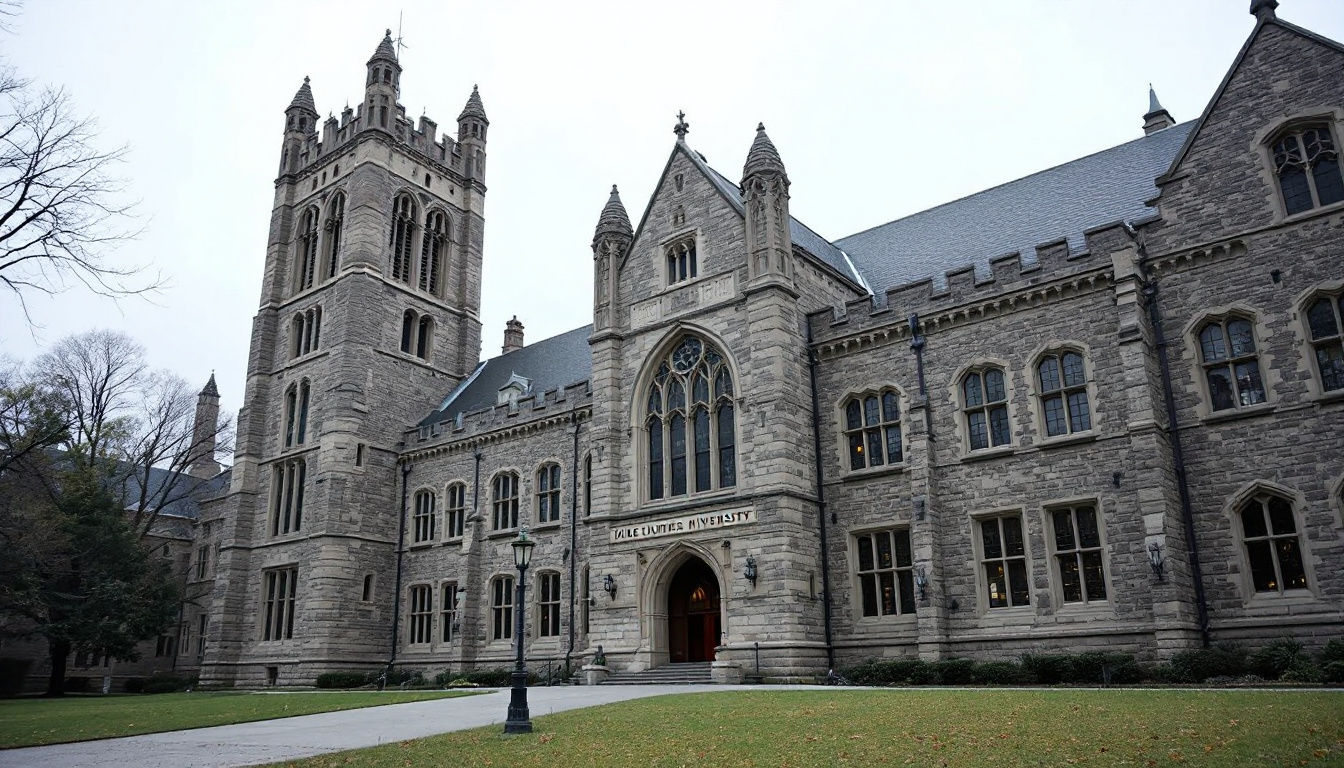
The HHS Office for Civil Rights investigated Duke University School of Medicine and found what it called "continued use of race and race-revealing proxies in decisions regarding medical school admissions." Not past tense. Not historical. Continued.
So they referred the case to the Department of Justice.
The referral, reported by The College Fix, lands squarely on Title VI of the Civil Rights Act of 1964 — the federal statute that prohibits discrimination on the basis of race in any program receiving federal funding. Duke's medical school, overseen by Dean Mary Klotman, stands accused of discriminating against white and Asian applicants even after the Supreme Court ruled in Students for Fair Admissions v. Harvard that race-conscious admissions are unconstitutional.
The OCR's finding was specific: Duke didn't just fail to update its brochures. The office determined the school used race and race-revealing proxies — meaning they found workarounds. Different labels for the same sorting. The Supreme Court said you can't use race. Duke apparently heard "you can't use the word race" and got creative.
A Duke University spokesperson responded with the kind of statement that sounds cooperative until you read it twice: "We are disappointed that despite Duke's cooperation in answering the department's inquiries and submitting information demonstrating its ongoing compliance, HHS has decided to refer the matter." The spokesperson added, "As we have said before, Duke is committed to complying with the law in a manner that is consistent with our academic mission."
Complying with the law "in a manner consistent with our academic mission" is doing a lot of heavy lifting in that sentence. It's the kind of phrasing a lawyer writes when the client wants to sound agreeable without actually agreeing to anything. We'll follow the rules — as long as the rules don't interfere with what we were already doing.
The Duke Chronicle noted it was "unclear" why the Trump administration found Duke's responses unsatisfactory. It's not that unclear. The HHS investigators looked at the admissions data, looked at the proxies being used, and concluded that what Duke submitted as evidence of compliance was actually evidence of the opposite.
This is the part of the post-Students for Fair Admissions era that the elite universities were hoping would never arrive. The Supreme Court ruling was supposed to be symbolic — a legal headline that schools could acknowledge in their press releases while quietly maintaining the same admissions architecture under different names. HHS just demonstrated that federal enforcement doesn't stop at the press release.
Duke isn't some community college that misread the guidance. It's one of the top medical schools in the country, with a legal department that knew exactly what the ruling required. The spokesperson's statement doesn't dispute the OCR's findings. It disputes the referral.
The Department of Justice now has the file. Duke's cooperation, by the university's own description, wasn't enough to close it.

Comments are closed.